Today we take a look at 3 eras of soldiers guarding a bridge in the winter.
From left to right we have a soldier from the French and Indian War, The Civil War, and WWII.


Today we take a look at 3 eras of soldiers guarding a bridge in the winter.
From left to right we have a soldier from the French and Indian War, The Civil War, and WWII.
A charming field for an encounter….
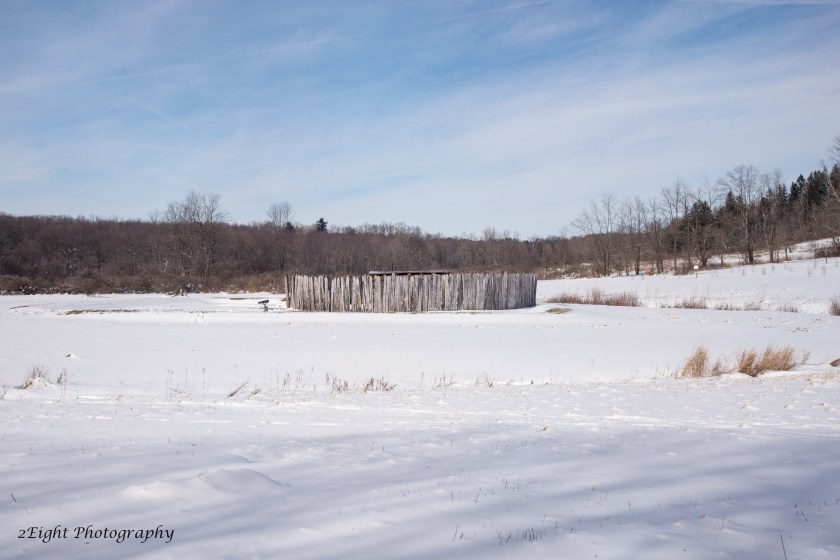
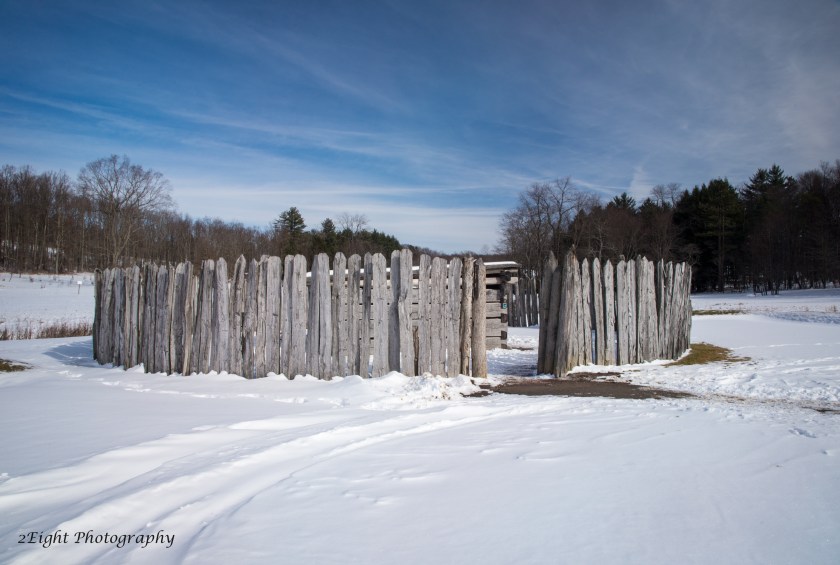
“A charming field for an encounter” was in part the description that the young Lt. Col. George Washington wrote to Governor Dinwiddie in May of 1754 of the Great Meadows that he had chosen for his base camp. Little did he know, that in just a few short months, he would in fact be signing his surrender to the French Army, at what has become know as the Battle of Fort Necessity. Before we get to the photos I want to give you a brief account of the events that lead to the battle and ultimately the surrender at the fort.
In May of 1754 Washington had arrived at the Great Meadows and decided to make them his base camp for his operations. He was working on clearing a road now know as the National Road. Shortly after arriving and setting up camp Washington became aware of a group of French soldiers that were encamped in a ravine not far away. Washington decided to confront them and find out their intentions. After an all night march in bad weather Washington and his men arrived and surrounded the French soldiers. Now, no one really know the exact circumstances that follows but a shot was fired resulting in a skirmish that lasted for about 15 minutes and 13 Frenchman dead and 21 captured. One had escaped and made his way back to Fort Duquesne. This skirmish was at what would be later named Jumonville Glen after the leader of the French detachment who was killed during the skirmish.
After this skirmish Washington feared an attack and built what we know know as Fort Necessity in 5 days at the end of May and the first of June. He was correct and on July 3, 1754 Washington met with a French army of 600 men and about 100 Indians. After fighting throughout the day in a bad rain storm and considerable losses to Washington’s troops. George Washington signed the terms of surrender. The British were allowed to retreat with the honors of war, but Washington did have to surrender his command to the French. Due to a bad translation of the documents Washington was unaware of the fact the he had also signed his name to a confession of the “assignation” of the French officer Jumonville and the French would use this as part of their propaganda for the resulting French and Indian War.
This battle is considered the beginning of the French and Indian war as well as the beginning of the the Seven Year War which took place in many countries throughout the world. It also helped to set the events in order that would result in the American Revolutionary War.


Just enjoying the view of winter.

Well I’m a little late for the post but here is a view of a snow storm from the lookout above Ohiopyle State Park.

You encounter a bridge along your path, do you cross or turn around and go back to the familiar?
Tonight we take a short journey down a path and as with all journeys decisions have to be made. Do you go forward and see what lies ahead? Or do we turn around and go back to the familiar? Really when you think about all of our “paths” have the same questions but choosing to go forward can be rewarding. On this journey we encounter a bridge, so the question arises do we cross or turn around? Well I like to think I’m the person that crosses to see what’s on the other side. What type of person are you?
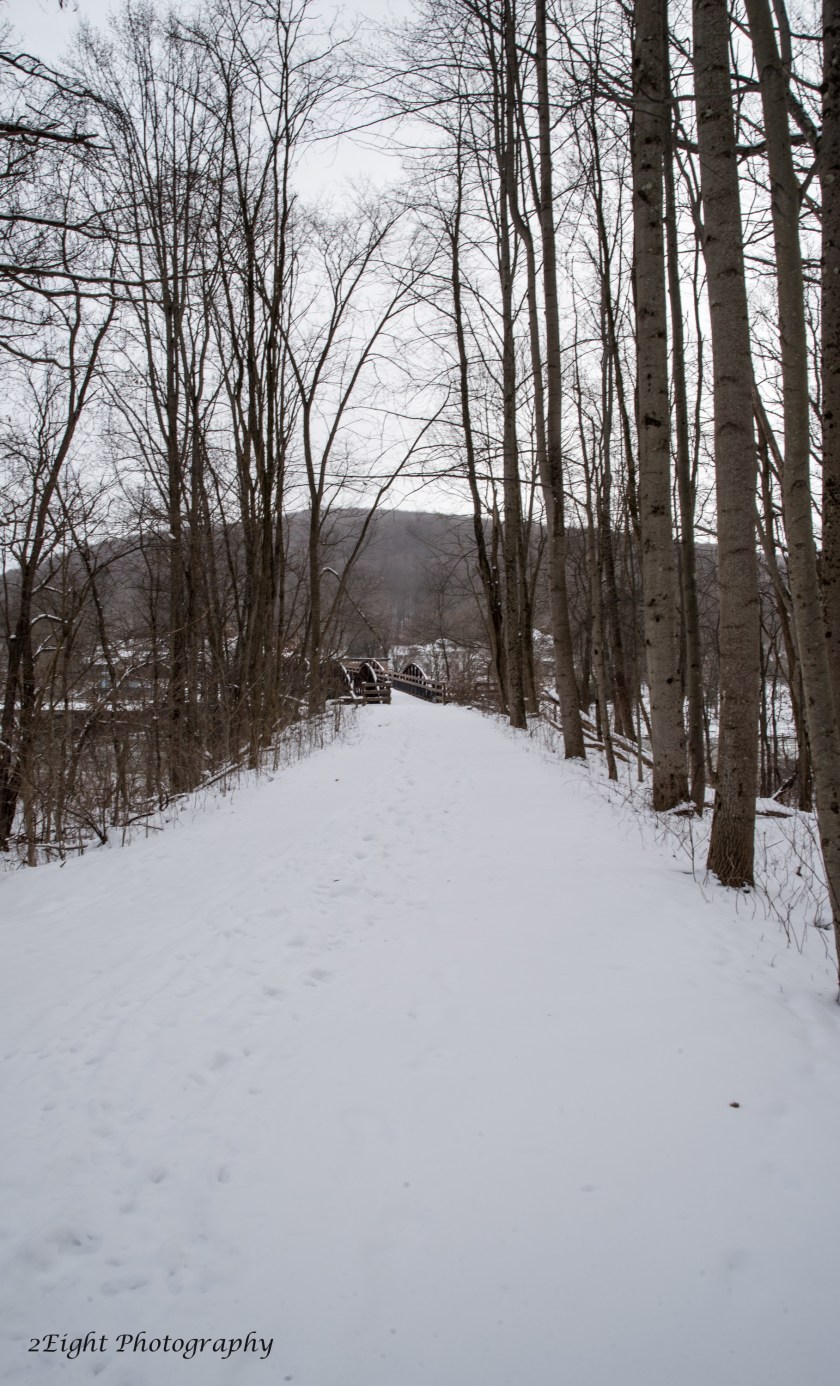
As you can see in the snow there are tracks. But how many ventured to cross the bridge ahead?

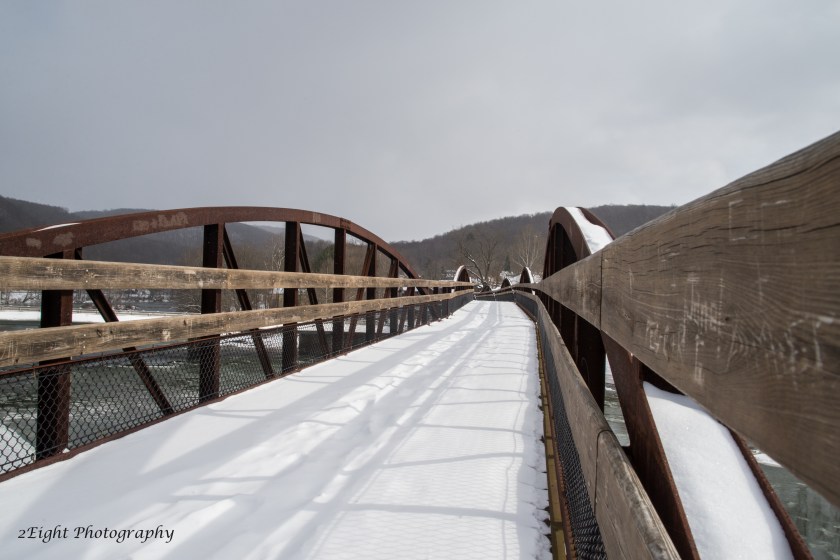
It looks as though some ventured across but did they see the beautiful scenery from the bridge?

Lets continue on and see whats on the other side.
From the looks of the snow no one made the complete journey across the bridge to the train station. What a shame that they turned back before seeing how things turned out. The view was great the whole way across but this journey doesn’t end here. I have to, as all of the others, turn back around because my vehicle is parked on the other side.

If you never cross the bridge you will never know what is on the other side.
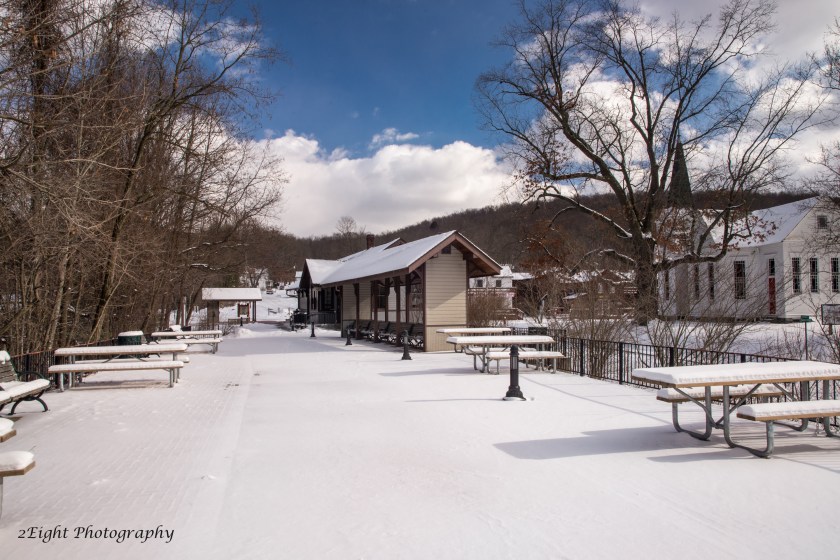
So today I thought we would take a quick look at the new welcome center in Ohiopyle, Pa. I really liked the shadow that was cast from the fence.

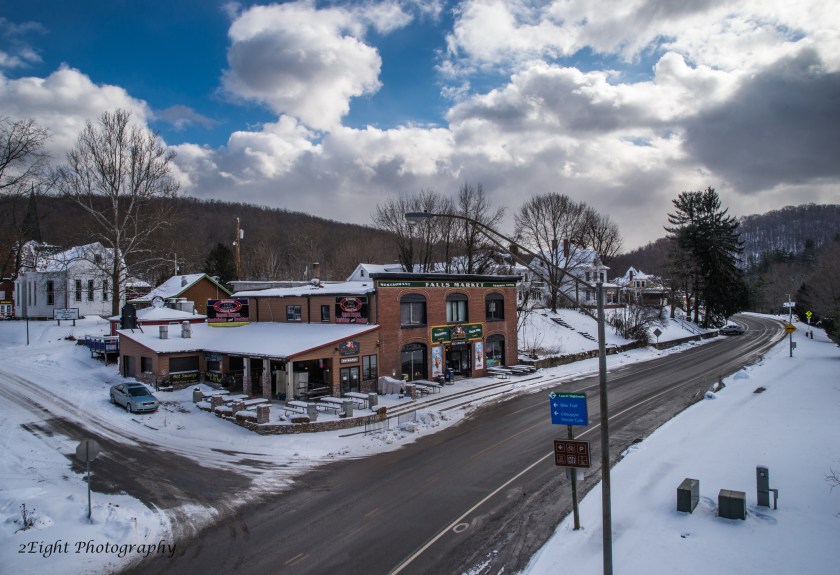
If your ever in the Ohiopyle area I recommend you stop by Falls Market general store and restaurant. Every time I’m in the area I stop by for a drink and a great chocolate chip cookie.
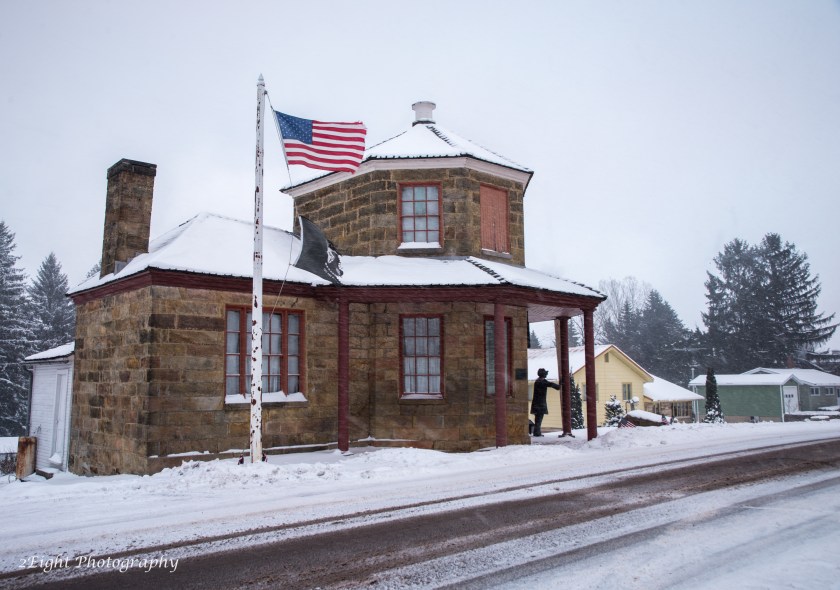
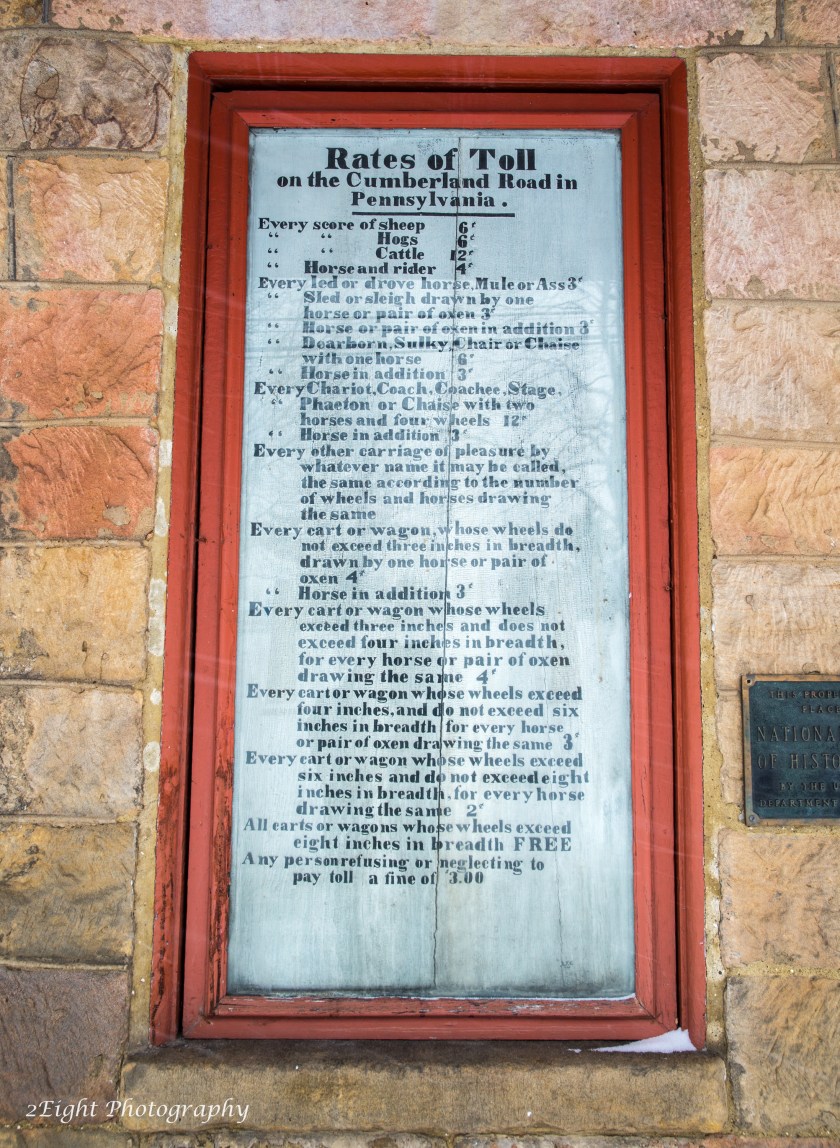
Today in the blistery wind and snow, I decided to visit the Petersburg Toll House located in Addison, Pa. The toll house was built in 1835 from the native stone in the area. It was referred to as gate number one as it was the first toll house after crossing the line between Maryland and Pennsylvania. The tolls collected were used for maintenance of the road and to pay the toll collector who lived in the toll house. Toll houses were typically built about 15 miles apart on the National Road. #2eightphotography

Today I just have a simple question.
Anybody for a picnic?

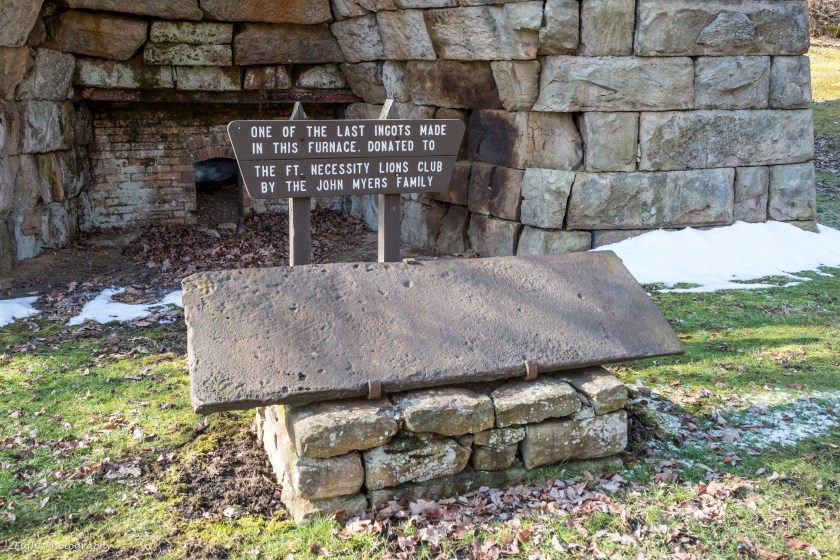
So today I thought we might visit another iron furnace. This one is located in Wharton Township in Fayette County, Pa. Built in 1837 and first fired in 1839 this stone structure remained in operation until 1873. The structure measures 31 feet deep, 31 feet high, and 33 feet high. #2eightphotography




 2Eight Photography